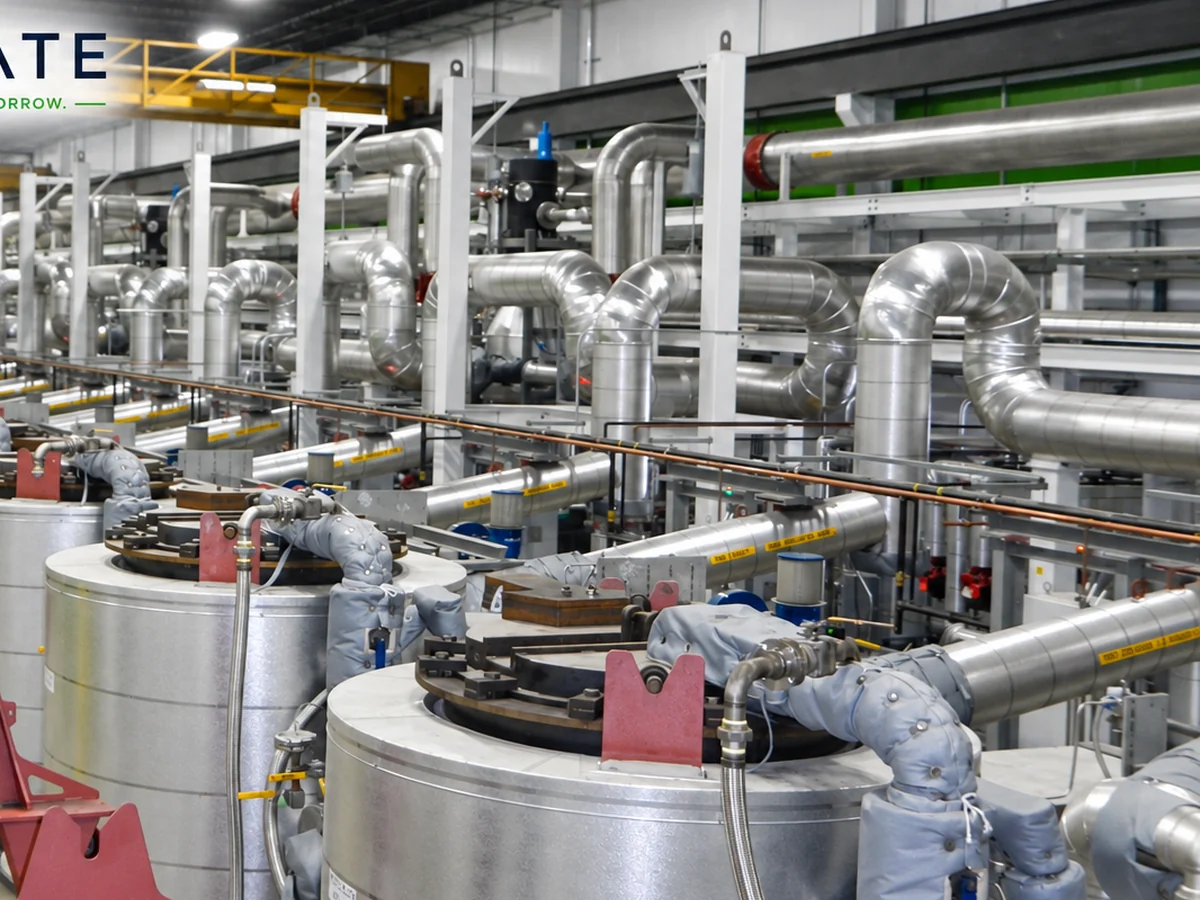
Modular design
Flexible facility concepts intended to integrate with existing waste infrastructure.
Circular solutions. Regenerating tomorrow.
Modular recycling facilities in Scotland, transforming difficult plastic waste into valuable resources and a cleaner, more circular future.

Waste streams differ. Our approach brings complementary recovery pathways together within a modular site model, so more useful material can be recovered closer to where waste arises.
Explore the technologyFlexible facility concepts intended to integrate with existing waste infrastructure.
Thermal processing of suitable mixed plastics alongside targeted recovery routes.
Recycled hydrocarbon products and other circular materials, subject to specification.
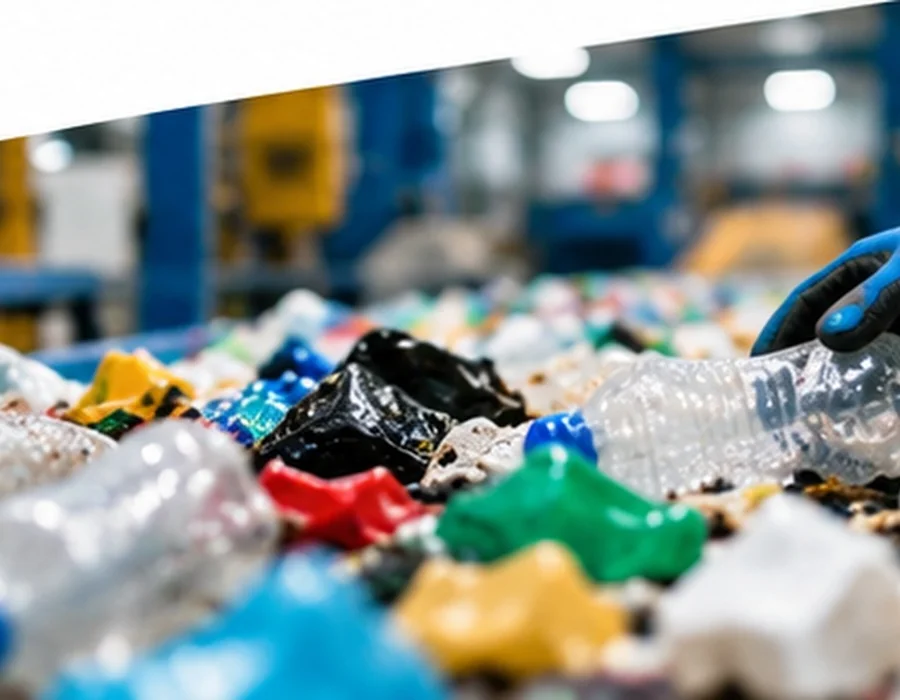
Mixed and contaminated plastic fractions can be difficult to recover economically using conventional mechanical recycling alone.
Receive and prepare suitable mixed plastic feedstock.
Convert and recover hydrocarbon liquids through thermal processing.
Develop complementary routes for PET, organics and residual materials.
Illustrative capacities and Scottish rollout ambitions, not current operating results.
Our first proposed deployment is at the Binn Group Eco Park in Perthshire, with further Scottish opportunities being explored.

Building the pathway from first deployment to repeatable facilities.